
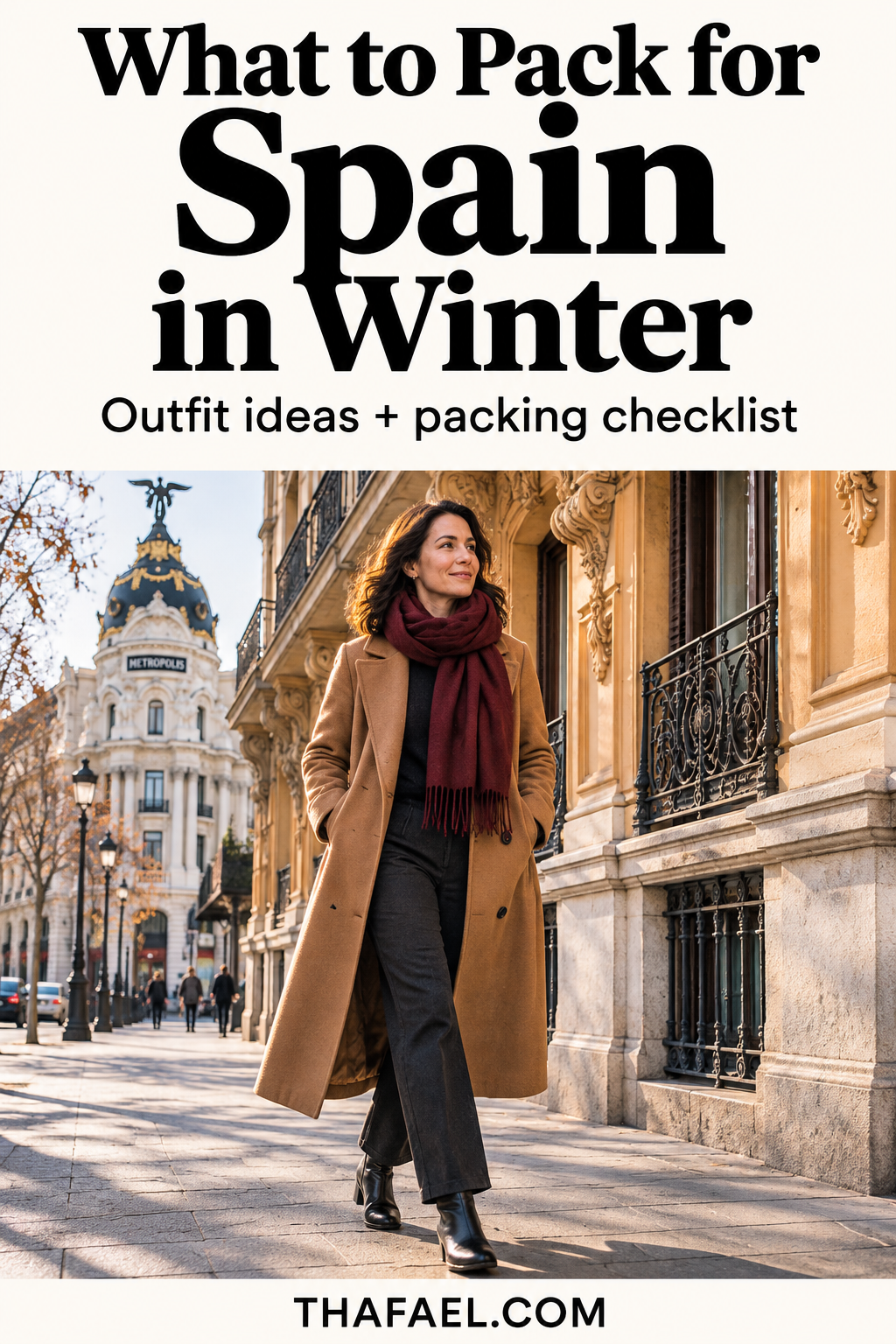
If you’re wondering what to pack for Spain in winter, start with warm layers, comfortable shoes, and a coat suited to the cities you’ll visit. Spain’s winter weather varies considerably, so a suitcase for Madrid and Toledo will look different from one for Málaga or the Canary Islands.
This guide is designed for women who want to feel comfortable, stylish, and secure while exploring Spain’s cities, visiting museums, and enjoying long dinners without carrying more than they need.
It covers December 2026 through February 2027, with practical advice for different regions and a complete winter packing checklist.
Winter is also a rewarding time to visit: you’ll find fewer tourists at major sights and shorter queues at popular museums.
Looking for outfit ideas instead? See What to Wear in Spain in Winter for city-by-city looks. This guide focuses on what goes in your suitcase. Traveling in autumn? See what to pack for Spain in fall.

How to Use This Guide
You’ll find advice on clothing layers, coats, shoes, accessories, and keeping your belongings secure. Use the regional weather section to adapt the checklist to your itinerary, then check the forecast shortly before departure.
The temperatures below are historical averages to help you plan, rather than a forecast for winter 2026.
Packing Philosophy
Packing for Spain in winter is about staying warm outside without feeling uncomfortable when you step into a museum, restaurant, or heated train.
Build your outfits around a few lightweight layers you can wear together: long-sleeve tops, sweaters, trousers, and one dependable coat. Add comfortable shoes, a scarf, and rain protection appropriate to your destination, since layering helps you adjust to temperature changes through the day.
You don’t need a different outfit every day. You need a neutral capsule wardrobe that lets you mix and match pieces, avoid overpacking, and pack light.
Table of Contents
Personal Experience: What My September Trip Taught Me About Packing for Spain
When I visited Madrid in early September, it was warm enough that I barely needed a layer, even at night. Winter calls for a different suitcase.
But some of the most useful things I brought would stay on my packing list in any season: comfortable walking shoes, my secure crossbody bag, and a fully charged power bank.
Walking through Madrid and Toledo reminded me how much your everyday essentials matter. Shoes that hurt or a phone that runs out of battery can interrupt an otherwise wonderful day.
The personal photos throughout this guide are from my September trip. For winter, I would keep those practical essentials and swap the lighter clothing for warm layers, a proper coat, and shoes suited to cold or wet streets.
In front of the Royal Palace, Madrid, during my September trip.
At Puerta de Alcalá, Madrid, during my September visit.
In Toledo in September. For a winter visit, I would swap these lighter clothes for trousers, warm layers, and a coat.
This post is part of the Thafael Europe packing series. For the full guide across destinations, start here: The Ultimate 2026 Europe Packing Guide for Women.
What Does This Guide Cover?
-
What to pack for Spain in winter
-
How to adapt your suitcase for different Spanish cities and regions
-
Weather expectations for December, January, and February
-
Clothing, coats, shoes, and accessories
-
Practical safety habits for sightseeing
-
A complete, categorized winter packing checklist
The Most Important Things to Pack for Spain in Winter
The most important things to pack for Spain in winter are a warm coat, removable layers, and comfortable walking shoes with good grip that are essential for sightseeing, plus a secure crossbody bag.
Add a scarf, warm socks, and a compact umbrella or weather-resistant jacket, since a combination of warm layers and a weather-resistant jacket works well for most destinations. For Madrid, Toledo, Granada, or colder inland destinations, gloves and a warm hat are useful travel essentials.
A secure crossbody bag also helps deter pickpocketing in busy tourist areas. Don’t assume that all of Spain stays warm because it’s a popular summer destination. Spain’s official tourism guidance distinguishes between colder inland areas, milder coastal destinations, and the much gentler winter climate of the Canary Islands. spain.info
That’s why we designed La Trotteuse as an anti-theft purse that still looks like an everyday handbag.
Spain Winter Weather at a Glance: What It Means for Your Suitcase
The following historical averages show why your itinerary matters:
|
Destination |
Average December daytime high |
Average December overnight low |
Packing priority |
|---|---|---|---|
|
Madrid, Retiro |
10°C / 50°F |
4°C / 39°F |
Warm coat, sweaters, scarf |
|
Barcelona Airport area |
Approximately 14°C / 57°F |
Approximately 6°C / 43°F |
Layers and protection from wind |
|
Seville Airport area |
17°C / 63°F |
7°C / 45°F |
Removable layers and a coat for evenings |
These are rounded climate averages; conditions vary by location and travel date. Madrid and Seville figures come from Spain’s meteorological agency, AEMET. AEMET. Gobierno de España
Traveling over Christmas? Our guide on what to pack for Europe for the holidays covers festive plans and Christmas markets.
For Barcelona, AEMET’s coastal airport station provides a different picture from its higher-elevation Fabra station, so avoid treating one temperature as representative of every neighborhood or nearby excursion. AEMET. Gobierno de España
Northern Spain: If your itinerary includes northern coastal destinations or the Basque Country, prioritize a waterproof outer layer and shoes that can handle rain. In winter, average temperatures in northern Spain are about 50°F (10°C), and conditions are often cold and damp. Mountain areas in the north can also see freezing temperatures and snow, so check the local forecast before deciding how much insulation you need.
The northern Atlantic coast, from Galicia to the Basque Country, is usually the wettest part of Spain in winter, so a waterproof layer matters more there than anywhere else.
Granada and inland excursions: Don’t use Seville’s averages to pack for every destination in Andalusia. Southern Spain averages around 55°F (13°C) in winter, but check each stop individually, especially if your itinerary includes higher elevations.
Canary Islands: Pack lighter layers than you would for Madrid, while checking the forecast for your island and any mountain excursions. Southern Spain averages around 55°F (13°C) in winter, and Spain’s official tourism guidance describes winter there as considerably milder than on the mainland. spain.info
On the Costa Brava, winter days are milder than inland Spain but can be windy, so pack a layer that blocks the wind.
The practical takeaway: don’t switch back to a spring suitcase just because you’re traveling in February, especially since Madrid can be colder than many travelers expect. Use your itinerary and the forecast to make the final adjustments for local weather conditions, because layering is essential for Spain's variable winter temperatures.
For outfit ideas matched to each city’s weather, see What to Wear in Spain in Winter.
Which Coat Should You Pack for Spain in Winter?
For most mainland city itineraries, yes. I would put a versatile coat on the packing list and choose its weight according to the destination.
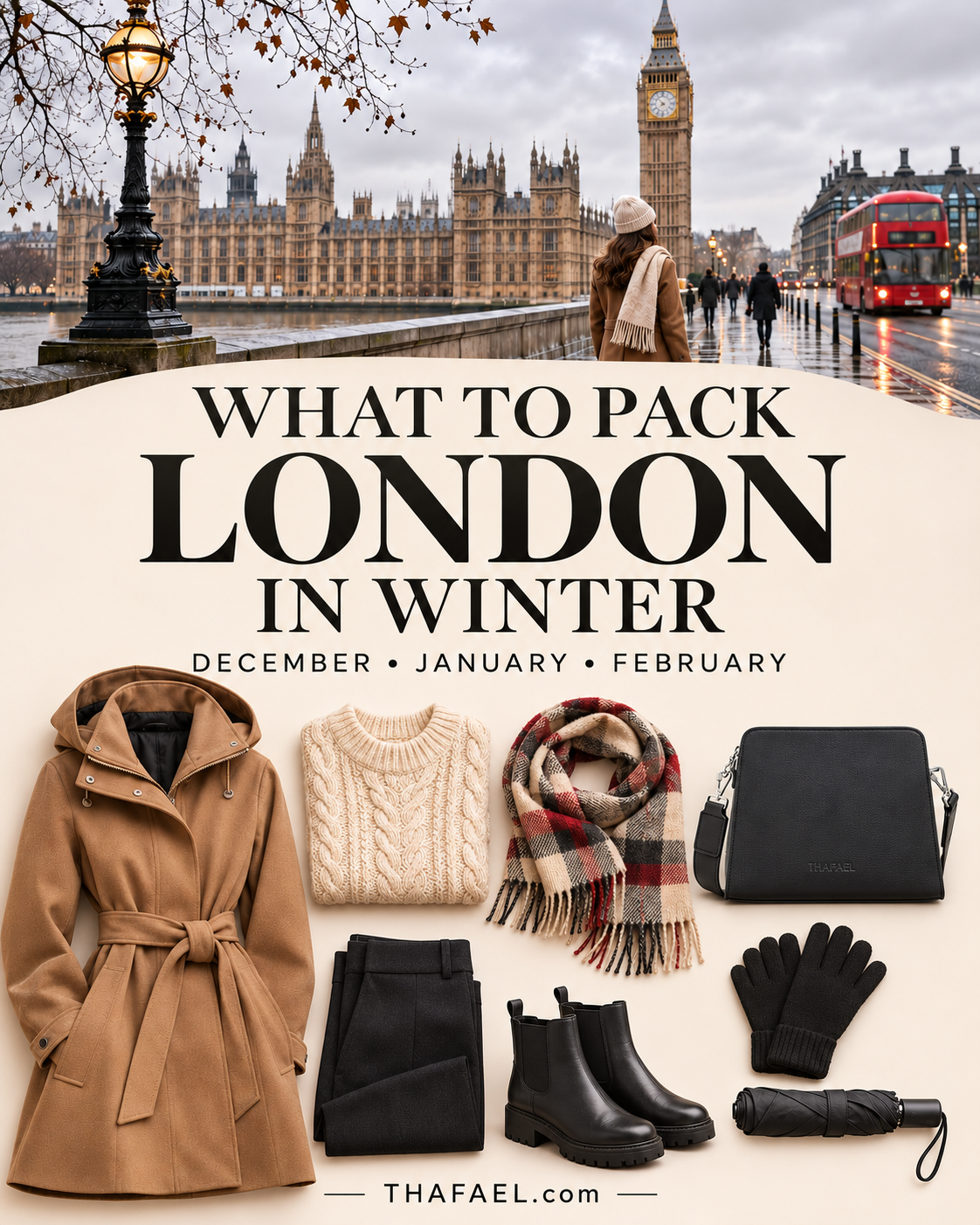
For Madrid, Toledo, and colder inland stops: A warm wool-blend coat or insulated jacket is a practical starting point, and a wool coat works well for casual sightseeing as well as dressier dinners. Leave enough room underneath for a sweater.
For Barcelona: Choose a coat that feels comfortable in wind. A lightweight puffer jacket or packable down jacket also works well in mild winter conditions. If it isn’t waterproof, bring a compact rain shell or umbrella.
For Seville or a milder southern itinerary: A medium-weight coat with removable layers may be enough, depending on the forecast and how much time you’ll spend outside; for fall and spring, a light jacket can also be useful when nights turn chilly.
For northern destinations: Give rain protection as much attention as warmth. An insulated waterproof coat, or a rain shell over warm layers, makes a useful combination.
If you’re visiting the north or Barcelona, add a packable rain jacket or light jacket you can wear over a sweater on milder rainy days instead of your heavier coat.
A neutral coat in black, navy, camel, or taupe is easy to repeat throughout the trip. Wear your bulkiest coat on the plane to save suitcase space.
What Is the Best Bag for Exploring Spain in Winter?
In Madrid’s metro during my September trip.
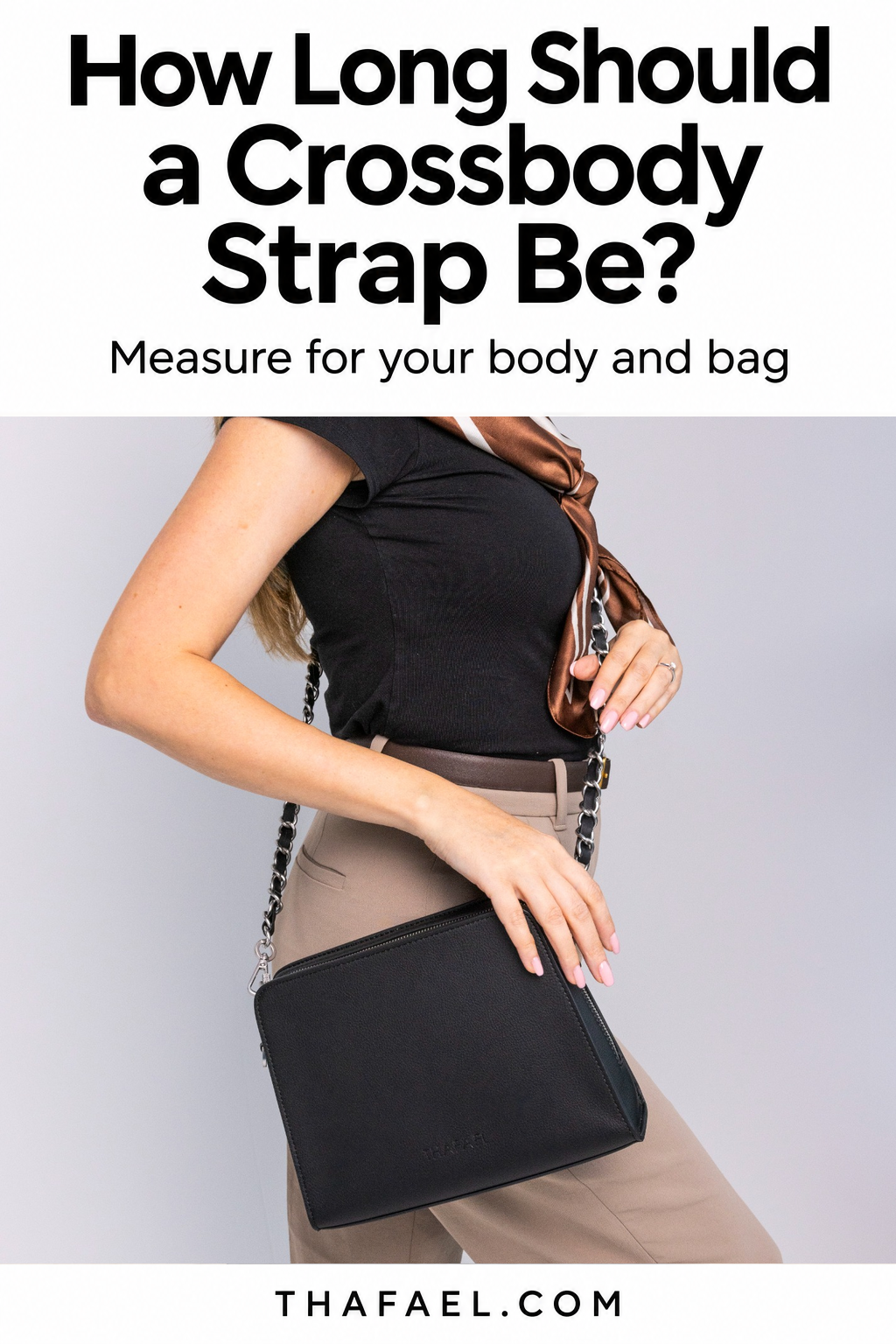
For city exploring, I like a secure crossbody bag that keeps my essentials organized and leaves my hands free.
In winter, check that the strap adjusts comfortably over your coat. You should be able to reach the zipper without struggling through a scarf, gloves, and several layers.
On my Madrid trip, I carried my Thafael crossbody with my two phones, power bank, cash, lipstick, earbuds, and passport. The built-in card pockets meant I could leave my bulky wallet behind.
For a winter sightseeing bag, look for:
-
Lockable zippers that make casual access harder
-
An adjustable strap that fits comfortably over outerwear
-
Organized compartments for your phone, cards, and small essentials
-
Slash-resistant strap and lining
-
A water-resistant exterior for light splashes
-
A simple design that works with your daytime and evening outfits
A small daypack is handy for hiking, but in crowded city centers a crossbody you wear in front is easier to keep an eye on, and it won’t bump into people on a busy metro.
La Trotteuse combines these features with RFID-blocking pockets. Its microfiber vegan leather exterior is water-resistant, but I would still protect the bag during sustained rain.
No bag can guarantee that theft won’t happen. Secure closures and thoughtful organization are useful alongside everyday awareness.
Still comparing options? Read our guide to the best travel purse for Spain or our pick of the best bag for sightseeing in Europe.
Explore La Trotteuse, our anti-theft crossbody bag for women.
How will you protect your valuables while you travel?

Meet La Trotteuse, the THAFAEL travel crossbody.

Lockable zippers
Help keep unwanted hands out.

RFID pockets
Help shield card and passport information.

Slash-resistant strap
Helps deter cut-and-grab theft.

Locks to your chair
Makes a quick grab harder.
How Many Clothes Should You Pack for Spain in Winter?
Think in three layers, so you can adapt to changing conditions through the day: a comfortable top against your skin, a sweater for warmth, and a coat for outdoors.
Long-sleeve tops (or long sleeve shirts). Pack three or four that work with every bottom. Thin long sleeve shirts are easier to layer and take up less space than several bulky sweaters.
A lightweight thermal top. Useful for colder inland destinations, long outdoor evenings, or anyone who feels the cold easily. You may not need it every day.
2–3 warm sweaters. Pack 2–3 warm sweaters for layering in winter. Layers are essential for adapting to Spain's variable weather, and these help you stay warm without adding too much bulk. Make sure each one fits comfortably under your coat.
Straight-leg jeans. A versatile choice for sightseeing and casual dinners. Try them with your base layer before departure if you plan to wear thermals underneath.
Heavier trousers. Swap the fall guide’s linen trousers for a warmer fabric. In winter, prioritize regular pants as the practical baseline alternative to leggings, then add a comfortable tailored pair for daytime exploring and dinner.
If you run warm, swap one pair for lightweight pants you can layer thermals under on colder days.
An optional knit midi dress. Wear it with warm tights and comfortable boots. Bring it if you enjoy wearing dresses, rather than adding it just for an imagined occasion.
Warm socks. Give these as much thought as your shoes. Your walking shoes should still fit comfortably with the socks you’ll actually wear.
A scarf, gloves, and hat. Small additions that make it easier to adjust your warmth without packing another coat.
A lightweight scarf also helps at religious sites: some churches and cathedrals ask visitors to cover their shoulders.
Stick to a palette you already enjoy wearing: black, cream, navy, camel, olive, or taupe. You’ll find it easier to repeat pieces when everything works together.
Which Shoes Should You Pack for Spain in Winter?
On my September trip, I brought sneakers from ALDO that worked wonderfully for me. I have bunion issues, so finding shoes I could walk in comfortably made a real difference.
For winter, I would keep comfort as the first priority, since comfortable walking shoes are crucial for sightseeing in Spain on long days, and add weather protection and grip so you are not limping back to the hotel room.
Comfortable ankle boots. A flat or low-heeled comfortable pair with a grippy sole can work for sightseeing and dinner in cooler weather. Choose a pair you’ve already worn on long walks.
Weather-resistant sneakers. A nice pair is useful for dry or lightly wet sightseeing days. Thin mesh summer sneakers would not be my first choice for a cold, rainy itinerary.
Waterproof walking shoes for a wetter trip. Worth considering if northern Spain or frequent outdoor excursions are central to your plans.
If your plans include hiking trails, such as day trips into the mountains, add trail shoes with grip. Otherwise, your walking shoes are enough.
An optional smarter pair. Bring these only if one pair can already cover extensive sightseeing reliably and your main shoes will not work for planned dinners. Then add leather shoes only if they fit your itinerary better than several occasional options.
Check the soles as well as the appearance. Smooth soles can be awkward on wet paving.
Pack blister plasters, and try your shoes with your winter socks before you leave.
What Accessories Are Worth Packing for Spain in Winter?
The accessory I would still put near the top of the list is a fully charged power bank.
During my Madrid trip, my sister’s phone died and mine was almost out of battery. My power bank wasn’t fully charged either, and my brother-in-law ended up helping us.
When you rely on your phone for Google Maps, reservations, and finding your accommodation, that’s an inconvenience worth preparing for.
Other useful additions include:
-
Compact umbrella: Small enough to bring out with you for unpredictable rain.
-
Warm scarf: Choose one that works with your coat and sweaters.
-
Gloves: Touchscreen-compatible ones can make checking maps easier.
-
Warm hat: Especially useful for colder destinations or long evenings outdoors.
-
Power adapter: Necessary for european outlets, so check that it supports your devices and charging needs.
-
Sunglasses: Useful on bright winter days, and sunscreen is worth packing too since the winter sun in Spain can still be strong.
-
Lip balm and moisturizer: Pack your usual products in travel sizes.
-
Small earrings or jewelry: An easy way to dress up repeated outfits.
-
Travel-size soap or body wash: I now bring a little, after finding some accommodations didn’t provide it.
-
Packing cubes: Helpful when moving between hotels to stay organized and save space.
-
Reusable water bottle: Choose one you’re comfortable carrying throughout the day, as tap water in Spain is generally safe to drink.
-
Sun protection: winter sun in southern Spain can still be strong, so pack sunglasses and a small sunscreen.
How Can You Stay Safe Without Losing Style in Spain?
A few practical habits can help you keep your attention on the trip.
Official travel advice for Spain recommends staying alert to street theft and distraction techniques, protecting your passport and money, and avoiding carrying all your valuables together. GOV.UK
For winter sightseeing:
-
Wear your crossbody where you can see and reach it comfortably over your coat.
-
Close and lock the main zipper when moving through crowded places.
-
Keep your phone in a closed compartment when you aren’t using it.
-
Keep your bag on your lap or secured close to you at cafés.
-
Pause somewhere out of the flow of pedestrians when checking directions.
-
Check your belongings after taking off your coat or rearranging layers.
-
Keep a backup payment method separately.
An anti-theft travel purse with lockable zippers, worn in front of your body, makes these habits easier to keep up all day.
In Madrid, I clipped my Thafael bag to my chair while having coffee. In Toledo, wearing it across my body let me explore with both hands free.
Those are the kinds of small habits I want to keep in winter too. Prepare your essentials, then enjoy where you are.
👉 How to Avoid Pickpockets in Europe: What Actually Works.
👉 How to Avoid Pickpockets in Barcelona.
👉 Solo Female Travel Safety, Confidence, and Smart Travel Tips.
Carry-On or Checked Bag for Spain in Winter?
Winter clothes take up more space, so decide early whether you’re traveling with a carry-on or a checked suitcase.
-
Carry-on for about a week: wear your coat and boots on the plane, pack two to three sweaters, and choose tops and trousers that all work together. Packing cubes help compress knitwear.
-
Checked bag for 10 days or more: add a second pair of trousers, an extra sweater, and a smarter pair of shoes for evenings, or plan a laundry stop halfway through instead of packing more.
-
Either way: keep medication, chargers, documents, and one warm layer in your carry-on in case a checked bag is delayed.
-
Two weeks or longer: pack light anyway. Plan one laundry stop, roll your knitwear, and use packing cubes to save space.
-
Check your airline’s size and weight limits before you pack, especially for budget flights between Spanish cities.
Documents, Money and Tech to Pack for Spain
-
Passport and entry documents: check your government’s official travel advice for Spain before you go, as entry requirements can change.
-
Travel insurance details: saved offline and on paper.
-
Payment: a card that works abroad, plus a small amount of euros.
-
Plug adapter: Spain uses Type C and Type F sockets with a 230V supply.
-
Power bank and cables: phone batteries drain faster in the cold, and you’ll rely on maps and tickets all day.
-
Offline backups: download maps and save copies of bookings in case you lose signal.
What Not to Pack for Spain in Winter
-
A heavy ski-style coat for a city trip to Seville or southern Spain. A warm coat plus layers is usually enough.
-
More shoes than you’ll wear. Two to three pairs cover most itineraries.
-
Full-size toiletries you can easily buy in Spain.
-
An open tote, or a backpack worn on your back in crowded areas. A crossbody you can wear in front is easier to keep an eye on.
-
Valuables you won’t need, such as expensive jewelry.
Ultimate Spain Packing List for Winter 2026
Use this as a starting point for a seven-day mainland city trip, adjusting for your forecast, laundry access, and planned activities.
Clothes
-
1 warm coat suitable for your itinerary
-
3–4 long-sleeve tops
-
2–3 warm sweaters
-
1 lightweight thermal top for colder days
-
two pairs to 2–3 bottoms, such as jeans and heavier trousers
-
1 optional knit dress
-
Warm tights if bringing a dress
-
Underwear and warm socks for your trip
-
Sleepwear
-
1 scarf
-
1 pair of gloves
-
1 warm hat
Shoes
-
1 pair of comfortable ankle boots or waterproof walking shoes
-
1 pair of weather-resistant sneakers
Accessories
-
Secure anti-theft crossbody bag
-
Compact umbrella
-
Sunglasses
-
Small jewelry pieces
-
Packing cubes
-
Reusable water bottle
Essentials
-
Passport and required travel documents
-
Payment cards and a small cash reserve
-
Phone and charging cable
-
Fully charged power bank
-
Suitable travel adapter
-
Accommodation and transport details
-
Travel insurance details
-
Prescription medications
-
Toiletries and makeup
-
Lip balm and moisturizer
-
Blister plasters
-
Travel-size soap or body wash
Packing Tips
-
Wear your bulkiest shoes and coat on the plane.
-
Check that your coat fits comfortably over your sweaters.
-
Test your walking shoes with warm socks before departure.
-
Choose pieces you can mix and repeat.
-
Add waterproof protection for wetter destinations.
-
Check the forecast for every city on your itinerary.
-
Adjust this list separately for skiing, mountain trips, or the Canary Islands.
Packing light in winter doesn’t mean leaving warmth behind. It means choosing a few layers that earn their space.
Conclusion
Packing for Spain in winter starts with your itinerary. A warm coat, layers you can remove indoors, and comfortable shoes will cover much of your everyday sightseeing.
Add your phone essentials, a secure bag, and protection from rain where you need it. Leave room in the suitcase, and give yourself permission to repeat an outfit.
Before you go, browse What to Wear in Spain in Winter for outfit ideas built from this packing list. Combining Spain with Portugal? See what to wear in Portugal in winter.
Buen viaje!
Arielle
Spain Winter Packing FAQ
What should women pack for Spain in winter?
Start with a warm coat, long-sleeve tops, two sweaters, jeans or heavier trousers, and comfortable shoes with good grip. Add a scarf, warm socks, and rain protection. Gloves, a hat, and a thermal layer are useful for colder inland destinations.
What should I pack for Spain in December 2026?
Pack winter layers suited to your destinations, including a coat, sweaters, comfortable boots or weather-resistant sneakers, and a scarf. For Christmas or New Year’s plans, add one outfit that works with your existing coat and shoes. Check the forecast shortly before departure.
Do I need thermal clothing for Spain?
Thermals can be useful for colder inland destinations, long outdoor evenings, or travelers who feel the cold easily. One thin thermal top is an easy addition that takes up little space.
Is Spain suitable for solo female travelers in winter?
You can plan a solo winter trip around your interests, comfort level, and transport arrangements. Research your accommodation and routes, protect your belongings, and check current travel advice before departure. For more preparation tips, read our solo female travel safety guide.
Do I need cash in Spain?
Bring a payment card and a modest cash reserve for situations where card payment isn’t available. Keep a backup payment method separately, so losing one item doesn’t leave you without access to money.
Can I pack carry-on only for a week in Spain in winter?
Yes, if you wear your bulkiest layers on the plane, such as your coat and boots, and pack a small capsule of tops, two to three sweaters, and one or two pairs of trousers that all mix and match.
What should I keep in my carry-on for Spain?
Keep your passport and documents, medication, chargers and power bank, valuables, and one warm layer in your carry-on, so you’re covered if a checked bag is delayed.
What plug adapter do I need for Spain?
Spain uses Type C and Type F sockets with a 230V supply. Most phone and laptop chargers handle this voltage, but check the label on any hair tools you bring.
What should I not pack for Spain in winter?
Skip a heavy ski coat for city trips, extra shoes you won’t wear, and full-size toiletries you can buy locally.
About the Author
Arielle is the founder of Thafael, a travel accessories brand built around one idea: that women should not have to choose between feeling safe and feeling stylish when they travel. She created La Trotteuse, Thafael's anti-theft crossbody bag, after spending time in Europe and realizing that most secure travel bags looked exactly like what they were: functional, obvious, and nothing she actually wanted to carry. Thafael is named after her two children, Thaliya and Rafael, which is as good a reason as any to build something that lasts. She writes about European travel, packing smart, and moving through the world with a little more ease and a lot more confidence.

Leave a comment
This site is protected by hCaptcha and the hCaptcha Privacy Policy and Terms of Service apply.