
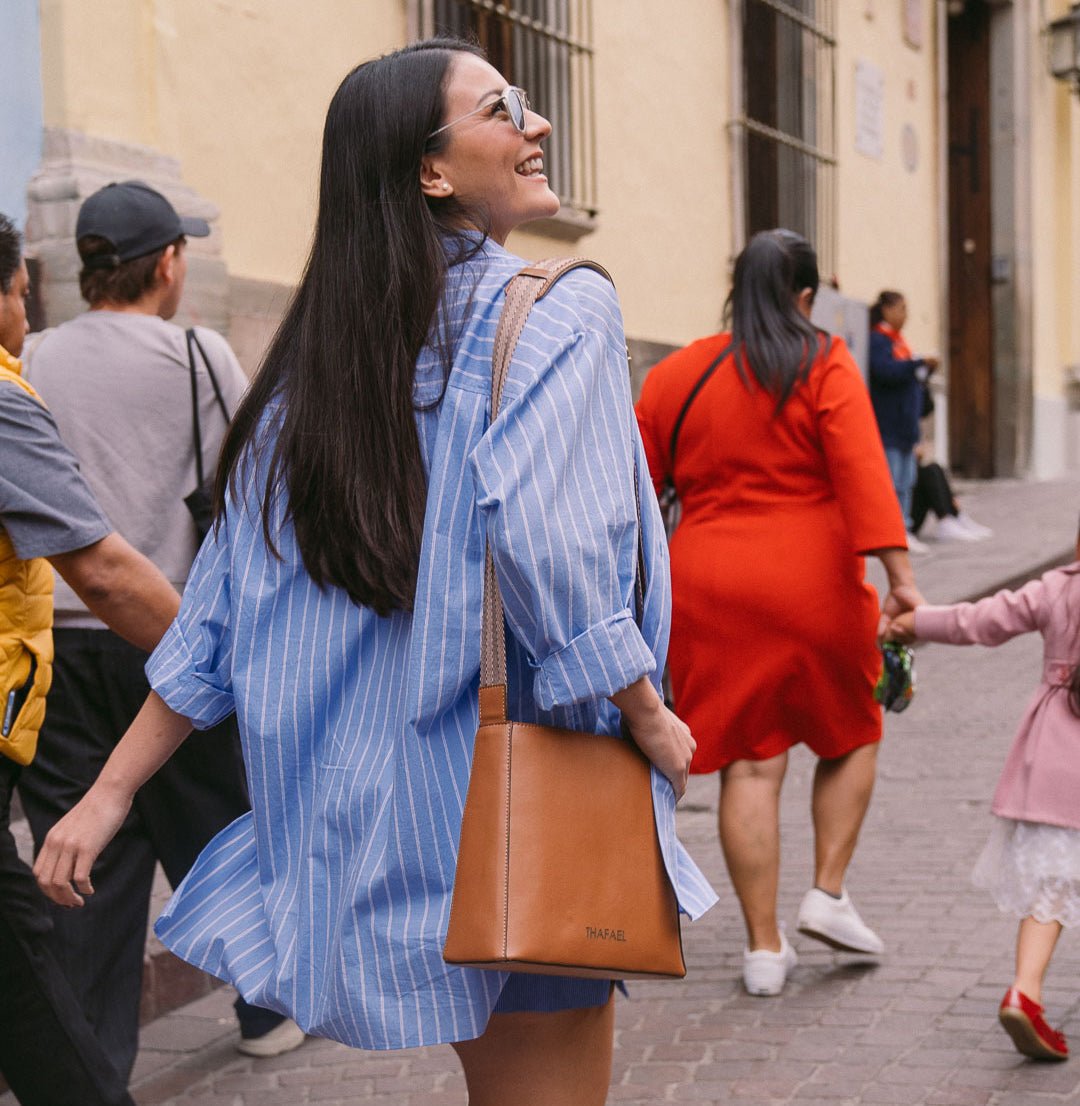
Traveling solo as a woman is one of the most freeing things you can do. It is also one of the things women are told to fear the most. The truth sits somewhere in the middle: there are real risks worth knowing about, and there are smart, practical habits that make solo travel safer and more enjoyable.
This guide covers everything you need to know about solo female travel safety in 2027: how to choose the right destinations, how to stay aware without being anxious, how to protect your belongings in crowded cities, and how to build the kind of confidence that makes the whole experience feel empowering rather than stressful.
I am not going to tell you to stay home. I am going to help you go prepared.
|
The short answer: solo female travel can be safe and rewarding when you combine smart destination choices, basic situational awareness, and the right gear, though no destination is risk-free. Many women who travel solo describe feeling more confident afterward, and experiences vary. The risks are real but can be managed. The rewards are significant. |
Key takeaways
-
You do not need to be fearless to travel alone. You need smart preparation.
-
Solo female travel safety is about habits, awareness, and decision-making.
-
Confidence grows from handling real situations calmly, not from avoiding them.
-
Good destination choices, preparation and a practical mindset can make traveling alone feel empowering.
-
Pickpocketing is a commonly reported risk in busy European tourist areas. A secure crossbody bag can be one practical layer of protection, alongside awareness and planning.
- Before you go: choose a destination that fits a first solo trip, read recent reviews of your accommodation, save the address offline and plan how you will get there.
- On arrival: plan your first day and your journey back at night before you need it.
- Every day: agree on check-ins with someone you trust, keep backup contacts and money separate from your bag, and stay oriented in crowds and on public transport.
- Confidence helps, but neither confidence nor any particular bag guarantees safety. Preparation reduces risk; it does not remove it.
Table of Contents
- Start Small and Build a Practical Safety Plan
- Identify the Risks That Matter for Your Trip
- Choose a Destination That Fits Your First Solo Trip
- Choose Accommodation You Can Reach and Use Comfortably
- Plan Your Arrival, First Day and Journey Back at Night
- Use a Few Repeatable Safety Habits
- Stay Oriented in Crowds and on Public Transport
- How to Meet People Safely When Traveling Solo
- Carry the Essentials That Support Your Safety Plan
- What to Do When Things Go Wrong
- Set Up Offline Maps, Emergency Contacts and Secure Backups
- Use Clothing and Local Etiquette for Comfort, Not as a Safety Guarantee
- Solo Female Travel Safety Questions
Start Small and Build a Practical Safety Plan
A safety plan does not need to be long. Write down where you are staying, how you will get there, who has your itinerary and what you will do if something goes wrong. If you are wondering how to travel alone as a woman without feeling overwhelmed, these solo female travel tips and tips for solo female travelers are a good place to start. The safety tips for solo female travelers below work best when you test them on a short, familiar trip before you try somewhere more demanding.
For most women, the fear around traveling alone is not really about travel. It is about responsibility. When you are alone, you are the one making every decision: where to go, when to leave, how to respond if something feels off. That can feel heavy, especially when women are told their whole lives to be careful.
The truth is that uncertainty creates anxiety, not danger itself. Much of what feels scary about solo travel is unfamiliarity, though real risks exist and are worth planning for. Once you know what to watch for, how to prepare, and how to reduce exposure to the most common issues, traveling alone becomes far less intimidating and often genuinely enjoyable.
The women who travel solo most confidently are not the ones who are fearless. They are the ones who did their homework, packed the right things, and went anyway.
Identify the Risks That Matter for Your Trip
Solo female travel safety is often misunderstood. It does not mean avoiding the world, staying in your hotel room, or being constantly on edge. It means understanding your environment, making intentional choices, and keeping your options open.
Safety is not about controlling everything. It is about being able to respond. That mindset shift alone changes how confident you feel moving through a new city on your own.
The practical version of this looks like: knowing which neighborhoods are lively and which are not, carrying a bag that does not draw attention, having your phone charged, and trusting the discomfort that tells you when something feels off. None of this is complicated. Most of it becomes second nature after your first trip.
Choose a Destination That Fits Your First Solo Trip
One of the smartest decisions you can make when planning a solo trip is choosing a destination that supports independence, especially for early trips. Look for cities that are walkable, well connected by public transport, familiar with tourists, and culturally comfortable for women traveling alone.
|
City |
Main watch-out |
Practical tip |
|
Lisbon |
Tram 28 pickpockets |
Ride trams early or choose other routes |
|
Barcelona |
Las Ramblas, metro |
Keep your bag in front of you on busy streets and the metro |
|
Florence |
Ponte Vecchio crowds |
Keep your bag in front of you in crowded spots such as Ponte Vecchio |
|
Metro, Eiffel Tower area |
Keep your phone away near metro doors |
|
|
Amsterdam |
Busy tourist areas |
Watch for bikes and trams when crossing |
This table is a quick orientation based on common visitor experience, not a safety ranking. Check your government's current travel advice for each country.
Choosing an easier destination for your first solo trip is not limiting yourself. It is building confidence through positive experiences so that harder destinations feel manageable later. If Paris is on your list, read is Paris safe for solo female travelers before you book.
For a full breakdown of the best European cities for solo female travelers with safety ratings, transport tips, and what to watch out for, see: 5 safe cities every woman should visit solo in 2027
Check Current Advice, Local Norms and Transport Options
Before booking, read your government's current travel advice for the country, since conditions change. Look up local norms on dress, tipping and evening hours, and check how public transport works at the times you will use it, including the last train or bus and whether you need a ticket in advance. Rules and schedules change, so confirm them close to your trip. For city-specific guidance, see our guides to avoiding pickpockets in Barcelona and staying safe in Paris.
Choose Accommodation You Can Reach and Use Comfortably
Where you sleep shapes the rest of the trip, so choose deliberately. Look for a place you can reach easily, preferably close to public transport, in a neighborhood you are comfortable walking through. Privacy matters too: a front desk that is staffed when you arrive, a door that locks properly and clear check-in instructions all make the first night easier.
Read Recent Reviews and Check the Exact Location
Read recent reviews, especially from other solo travelers, and look for comments on arrival, noise, the lock and the street at night. Then check the exact address on a map: how far it is from the station, what the route looks like and whether the nearest transport stop is easy to find. Reviews and maps give you information that photos do not.
Plan Your Arrival, First Day and Journey Back at Night
Arrival is when you are most tired and least oriented, so plan it. Save the address and a map offline, know how you will get from the airport or station to your accommodation, and aim to arrive in daylight when you can. Keep the first day light: check in, walk around the immediate area and learn the route to a shop and a transport stop.
Keep a Backup Route and a Way to Pay for Transport
Work out a second way home before you need it, such as a different line, a bus or a taxi app that works locally. Keep a way to pay for transport that does not depend on one card or one phone, for example a little cash alongside a card, stored in different places.
Use a Few Repeatable Safety Habits
Good safety habits should feel supportive, not exhausting. The goal is to reduce risk quietly in the background, not to spend your whole trip on high alert.
Practical habits that quickly become second nature
-
Share your itinerary with someone you trust before you leave.
-
Avoid empty or poorly lit areas late at night, especially in unfamiliar neighborhoods.
-
Choose accommodations with strong reviews from solo travelers specifically.
-
Keep your phone charged and your portable charger in your bag.
-
Trust discomfort. It is usually your first and most reliable signal.
Agree on a check-in time with someone you trust, send them your itinerary and keep backup contacts and money separate from your main bag, so that one problem does not become several. These solo female travel safety tips take a few minutes to set up and become second nature quickly.
Once these habits are in place, anxiety fades because you have already handled the decisions that cause it. You are not scanning for danger. You are just prepared.
For a beginner-friendly breakdown of the most important safety habits before your first solo trip, see: Is Europe safe for solo female travelers?
Stay Oriented in Crowds and on Public Transport
Awareness does not mean paranoia. It means being present. Knowing where your belongings are. Noticing who is around you. Staying oriented in your environment. That is all it takes for most destinations most of the time.
Smart awareness habits for solo female travelers
-
Carry a bag that stays close to your body, preferably a crossbody with a slash-resistant strap.
-
Avoid sharing your accommodation details with people you have just met.
-
Skip flashy jewelry or visible luxury branding in transit and in crowded tourist areas.
-
Keep emergency contacts and your accommodation address saved offline.
-
Safety apps can be useful, but do not rely on them as a substitute for awareness.
Pay attention to your belongings and your surroundings rather than to who people look like. Awareness is about access to your things in crowds, at ticket machines and on public transport, not about suspecting people because of their appearance. For more on blending in, see our guide on how to not look like a tourist in Europe.
For a practical breakdown of the most common theft tactics in European cities and practical ways to reduce your risk, see: How to avoid pickpockets while traveling: 9 smart safety tips for women
How to Meet People Safely When Traveling Solo
Traveling alone does not mean being isolated. Connection happens naturally when you put yourself in the right settings. The key is choosing environments where meeting people feels organic rather than forced.
Safe ways to meet other travelers and locals
-
Small group walking tours are one of the best ways to meet people quickly with a built-in shared experience.
-
Cooking classes and workshops attract curious, open-minded travelers and give you something to do together.
-
Boutique hotels and hostels with common areas create natural conversation without effort.
-
Apps like Bumble BFF, NomadHer, and NomadSister connect solo female travelers specifically.
Meet new people in public places first, keep your own way back and tell someone where you are going. You can set personal boundaries politely, trust your intuition and leave whenever you want. Avoid sharing your accommodation details with people you have just met, and be careful about posting your location in real time, because privacy matters as much online as in person.
You do not owe anyone access to you, your plans, or your accommodation details.
Carry the Essentials That Support Your Safety Plan
What you carry affects how you move, how tired you feel, and how secure you are. Packing light is not about minimalism. It is about freedom. A heavy bag limits you. A light, well-chosen bag keeps your options open.
Essential items for solo female travel
-
A crossbody bag with lockable zippers and RFID-protected card pockets, worn across your body.
-
A portable phone charger. Running out of battery when you are alone in an unfamiliar city is genuinely stressful.
-
Packing cubes. They keep your bag organised and make security checks faster.
-
A lightweight scarf. Works as a cover-up for churches, a layer on cold flights, and a styling tool.
-
Digital and physical copies of your passport and travel documents.
-
Travel insurance that covers medical emergencies, not just lost luggage.
Keep the list short: a phone with a charger and a power bank, copies of key documents saved offline and stored separately, a little cash alongside a card kept apart from it, and a bag that closes securely and is worn across your body. For a full list, see our Europe packing guide. If you are comparing bags, browse our slash-resistant anti-theft crossbody bags or read the guide to choosing the perfect anti-theft bag.
A bag is one part of the plan, not the whole of it. Choose one that stays close to your body, closes securely and does not draw attention.
I carry the Thafael La Trotteuse, which has lockable zippers, RFID-protected card pockets and a slash-resistant body and strap, and is designed to help reduce the risk of opportunistic theft. It works alongside awareness, planning and the habits above, not instead of them.

Not sure what security features actually matter in a travel bag? See our complete guide: How to choose the best crossbody travel bag for women
What to Do When Things Go Wrong
Things will go wrong at some point on a solo trip. You will miss a train, get lost, feel overwhelmed, or need to change plans entirely. That does not mean you are bad at traveling alone. It means you are traveling.
Knowing how to travel alone as a woman safely includes knowing what to do when plans fail. Not every problem is an emergency, and it helps to know the difference. Situations range from feeling uncomfortable and missing transport to theft or an urgent need for assistance, and each calls for a calm, simple response.
A Step-by-Step Backup Plan for Common Problems
-
Leave buffer time in your schedule wherever possible. Back-to-back plans with no margin are exhausting even when everything goes right.
-
Say yes when it feels right and no when it does not. You do not need to justify either.
-
Take photos even when you are alone. You will be glad you did.
-
Remember that adaptability is a skill you are actively building. Every small problem you solve on your own makes the next one feel smaller.
- If you feel uncomfortable: move to a busy, well-lit place, go into a shop or cafe and ask staff for help.
- If you miss transport or plans fall apart: use your backup route, check the options for your accommodation and contact them if you will be late.
- If your phone is lost or stolen: use another device to lock or locate it, contact your bank and mobile provider, and use the emergency numbers and document copies you saved offline.
- If you are robbed or need urgent help: contact local emergency services and your embassy, and report the theft so you can make an insurance claim.

Set Up Offline Maps, Emergency Contacts and Secure Backups
-
Google Maps with offline maps downloaded before you arrive.
-
Google Translate with the relevant language downloaded for offline use.
-
Your country's embassy contact number saved in your phone.
-
A note on your phone with your accommodation address in the local language.
-
Digital copies of your passport, travel insurance, and emergency contacts in a secure cloud folder.
-
Travel insurance that covers medical emergencies, trip cancellation, and lost documents.
Preparation reduces stress, and stress reduction is itself a form of safety. When you have handled the logistics in advance, you can actually enjoy being there.
Some tips for female solo travelers apply anywhere, and they explain how to travel alone safely as a woman: save your accommodation address and local emergency numbers offline, store emergency contacts in more than one place, back up documents and photos, and consider travel insurance for your trip.
Use Clothing and Local Etiquette for Comfort, Not as a Safety Guarantee
Dress for the weather, for walking and for the places you will visit, including covering shoulders or knees where a church or temple asks for it. Local etiquette is about respect and comfort. Clothing does not guarantee safety, and what you wear is never the reason something happens to you. Choose comfortable shoes and a bag worn across your body so your hands stay free.
Traveling solo as a woman is one of the best decisions you can make. Not because it is always easy, but because every time you navigate something new on your own, you get a little better at trusting yourself.
The practical stuff matters: the right bag, the right shoes, the right awareness habits. But none of it needs to be complicated.
If you are planning a trip to Europe, here is where to go next:
Have an amazing trip.
Arielle
Solo Female Travel Safety Questions
Is solo female travel safe?
Solo female travel can be safe and rewarding when you choose destinations carefully, prepare and stay aware, but no destination is risk-free. Risks vary by place, season and time of day, so check your government's current travel advice. Pickpocketing is a commonly reported issue in busy European tourist areas. Many women who travel solo describe feeling more confident afterward, though experiences differ.
What is the best way to protect valuables when traveling alone?
Spread your risk: carry only the cards you need each day, keep a digital copy of your passport in secure cloud storage, leave your passport in your accommodation safe when possible, and split cash between your bag and a separate small wallet. A crossbody bag with lockable zippers, worn in front of you, can be one layer of protection and is designed to help reduce the risk of opportunistic theft, but it works best alongside awareness and planning.
Should women avoid going out at night alone?
Busy, well-lit areas in tourist-friendly cities are usually comfortable in the evening, but conditions vary by street, hour and season. Lively areas such as Lisbon's Bairro Alto, Paris's Saint-Germain, Barcelona's Gothic Quarter and Florence's Oltrarno are busy at night. Stick to busy routes, be more cautious in poorly lit back streets and empty metro stations late at night, and leave if a situation feels off.
Can I travel alone without speaking the language?
Yes, completely. English is widely spoken in tourist areas across Western Europe and translation apps handle most other situations. Learn a few basic phrases in the local language before you go. Download offline maps before you arrive so you are not dependent on data. Screenshot your accommodation address in the local language so you can show it to a taxi driver or local if you get lost.
Is it normal to feel lonely sometimes when traveling solo?
Yes, completely normal, and most solo travelers experience it at some point. It tends to hit hardest at mealtimes and on long travel days. The good news is that solo travel also creates more opportunities for genuine connection than group travel does. When you are alone, people approach you more easily. Walking tours, cooking classes, and staying in boutique hotels with common areas are all great ways to meet people naturally.
How do I build confidence for solo travel?
Confidence for solo travel builds through experience, not preparation alone. Start somewhere manageable: a city with good English, strong tourist infrastructure, and a reputation for being welcoming to solo travelers. Before you go, learn the basics of your destination. Once you are there, say yes to things that interest you and no to things that do not. Every small challenge you navigate on your own builds confidence that travel cannot teach any other way.
How do I prepare for my first trip alone as a woman?
Start with a short, familiar trip, choose accommodation with recent solo-traveler reviews, save addresses and maps offline, share your itinerary with someone and plan your arrival.
How can I choose accommodation when traveling alone?
Look for a staffed or easily reachable place close to transport, read recent reviews, check the exact location and arrival instructions, and make sure the door locks properly.
What should I do if I feel unsafe on a date or group outing?
Meet in a public place, keep your own way home, tell someone where you are and leave if you feel uncomfortable. You do not owe anyone an explanation.
How do I get back to my accommodation safely at night?
Plan the route before you go out, know the last transport, keep a backup such as a taxi or a different line, and keep your phone charged.
What should I do if my phone is lost or stolen?
Use another device to lock or locate it, contact your bank and mobile provider, and keep emergency numbers and document copies saved offline and stored separately.
How can I share my plans without posting my live location publicly?
Send your itinerary privately to one or two trusted contacts, agree on check-in times and post photos after you have left a place rather than in real time.
About the author
Arielle is the founder of Thafael, an anti-theft crossbody bag brand designed for women who refuse to choose between style and security while traveling. After years of frustration with bags that were either beautiful or safe but never both, she built Thafael to solve that exact problem. Her travel safety guides are rooted in that expertise: practical, honest, and written for women who want to explore the world confidently.


Leave a comment
This site is protected by hCaptcha and the hCaptcha Privacy Policy and Terms of Service apply.