
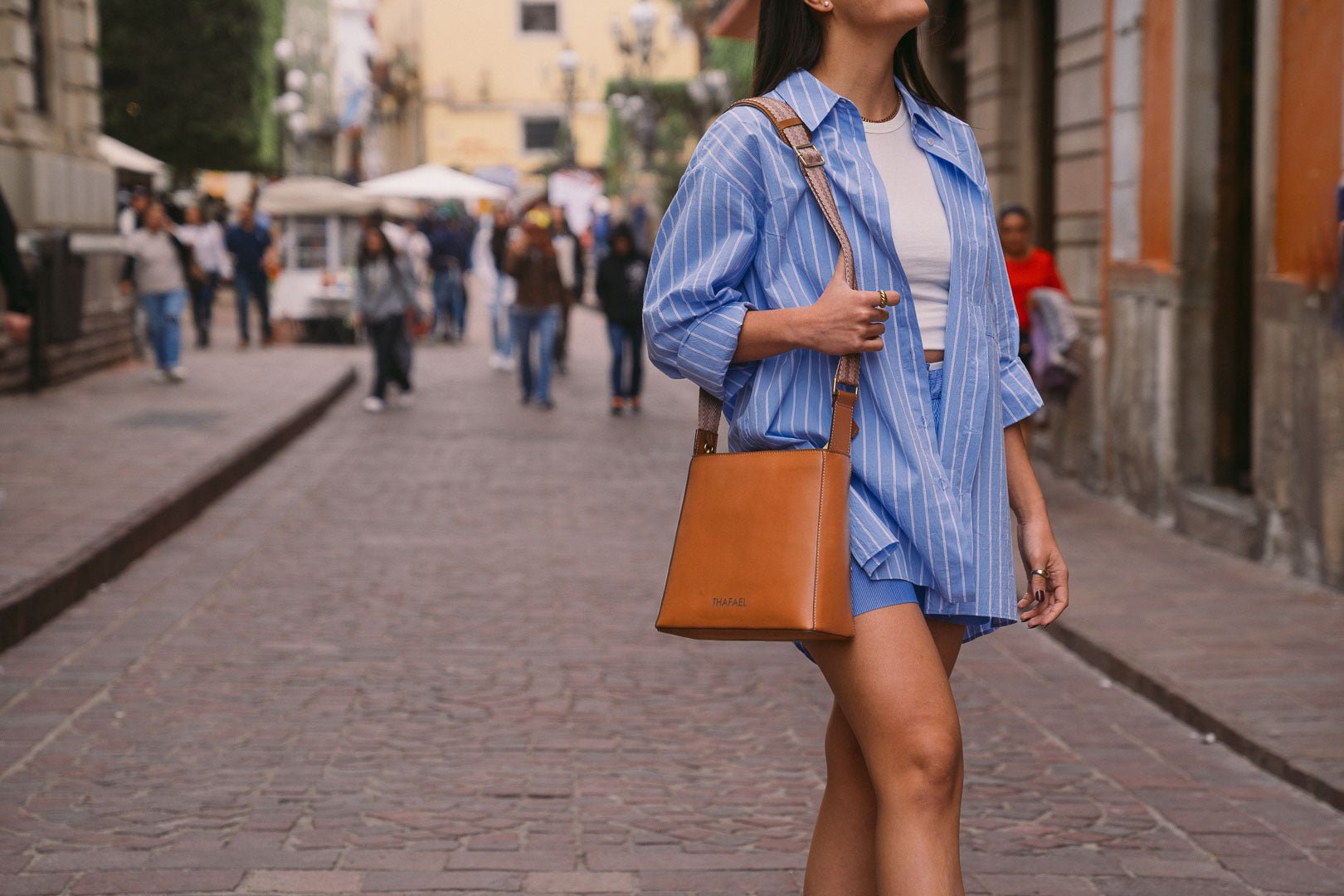
Is Europe Safe for Solo Female Travelers in 2026?
Europe is one of the best destinations in the world for women travelers: walkable cities, efficient trains, rich history, and a culture that is genuinely welcoming to women exploring independently. But even experienced travelers get caught off guard by the small risks that cause the biggest headaches, pickpocketing in busy metros, distraction scams near landmarks, and simple mistakes like leaving a bag on a café chair. The biggest risks are not violent crime but opportunistic petty theft, and a secure bag, basic awareness habits, and a few simple routines are all you need to travel confidently through any European city.
This guide is a practical checklist you can use before and during your trip, whether it is your first time in Europe or your tenth. It covers how to protect your valuables, avoid common scams, stay confident on public transport, and choose acco
If you want the complete solo-friendly framework (awareness, confidence, packing, and habits), start here: Solo Female Travel Safety: How to Travel Alone with Confidence in 2026.
For a complete guide to choosing the right bag for European city travel, see: How to choose the best crossbody travel bag for women.
Key Takeaways
-
Most “Europe safety problems” are petty theft + scams, not violent crime—habits prevent most issues.
-
The highest-risk moments are metros, busy plazas, cafés, and transit transitions (boarding/exiting).
-
Your best protection is a closed, hands-free bag + awareness + simple routines.
-
Good accommodations and neighborhoods reduce stress and make you feel more in control.
Table of Contents
-
How do you choose the right neighborhood and accommodation in Europe?
-
What are the most common scams in Europe and how do you avoid them?
-
What should you do if something goes wrong while traveling in Europe?
- Quick safety checklist before you go
- FAQ
1) What first-time travelers get wrong about safety in Europe
Europe is generally safe, but tourists are targeted for one simple reason: they’re distracted—taking photos, navigating maps, juggling bags, or scanning menus.
The biggest mistake isn’t “going to Europe.” It’s moving through crowded places with:
-
open totes or easy-access outer pockets
-
valuables all in one place (phone + wallet + passport together)
-
no plan for metro stations, cafés, or arrival days
Think of safety as friction: your goal is to make theft inconvenient enough that a thief moves on.
2) How do you choose the right neighborhood and accommodation in Europe?
For first-time travelers, where you stay impacts safety and confidence more than almost anything.
What to look for
-
Good reviews from women travelers (search reviews for “safe,” “walkable,” “quiet,” “solo”)
-
24/7 front desk or secure entry (hotel)
-
Well-lit streets and easy access to transit (but not directly on a chaotic nightlife strip)
-
Clear check-in process (no confusing late-night entry instructions)
Small habit that helps
Arrive in a new city before dark when possible—especially if it’s your first time navigating trains and neighborhoods.
3) What is the best bag system for safety in Europe?
Most theft is opportunistic. Your job is to make your essentials:
-
hard to access, and
-
spread out enough that a single mistake doesn’t ruin your day.
The “3-zone” system (simple and effective)
-
On you (secure crossbody): phone, cards, small cash
-
On you (separate pocket): one backup card + a small emergency bill
-
In your room: passport (when you don’t need it), extra cash, secondary cards
What bag works best in European cities
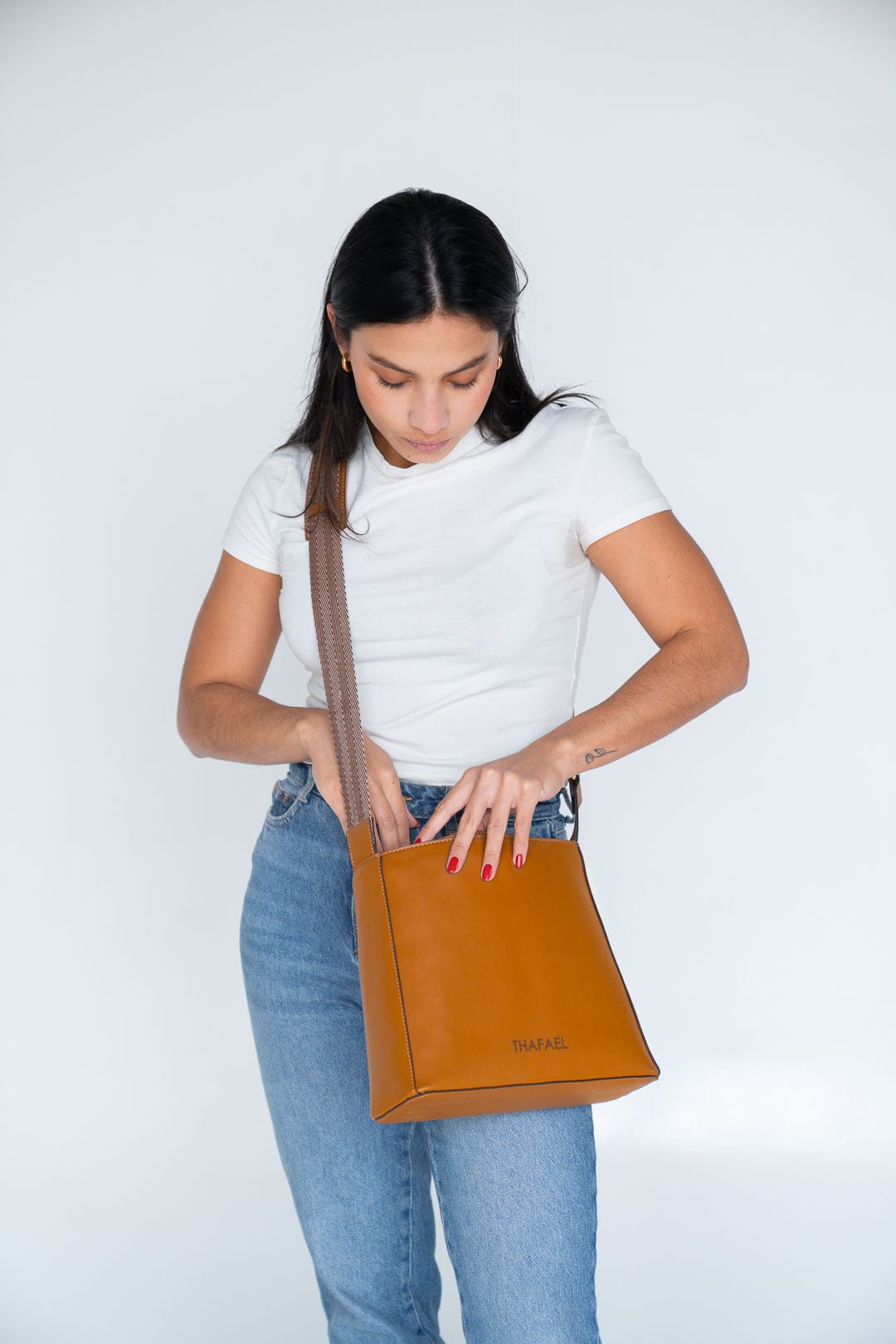
A hands-free anti-theft crossbody that fully zips closed, stays close to your body, and helps you stay organized without digging in public.
If you prefer a bag that’s designed for crowded cities, look for:
-
lockable zippers
-
slash-resistant strap/lining
-
RFID pocket (nice-to-have, not mandatory)
-
a way to secure the bag to a chair
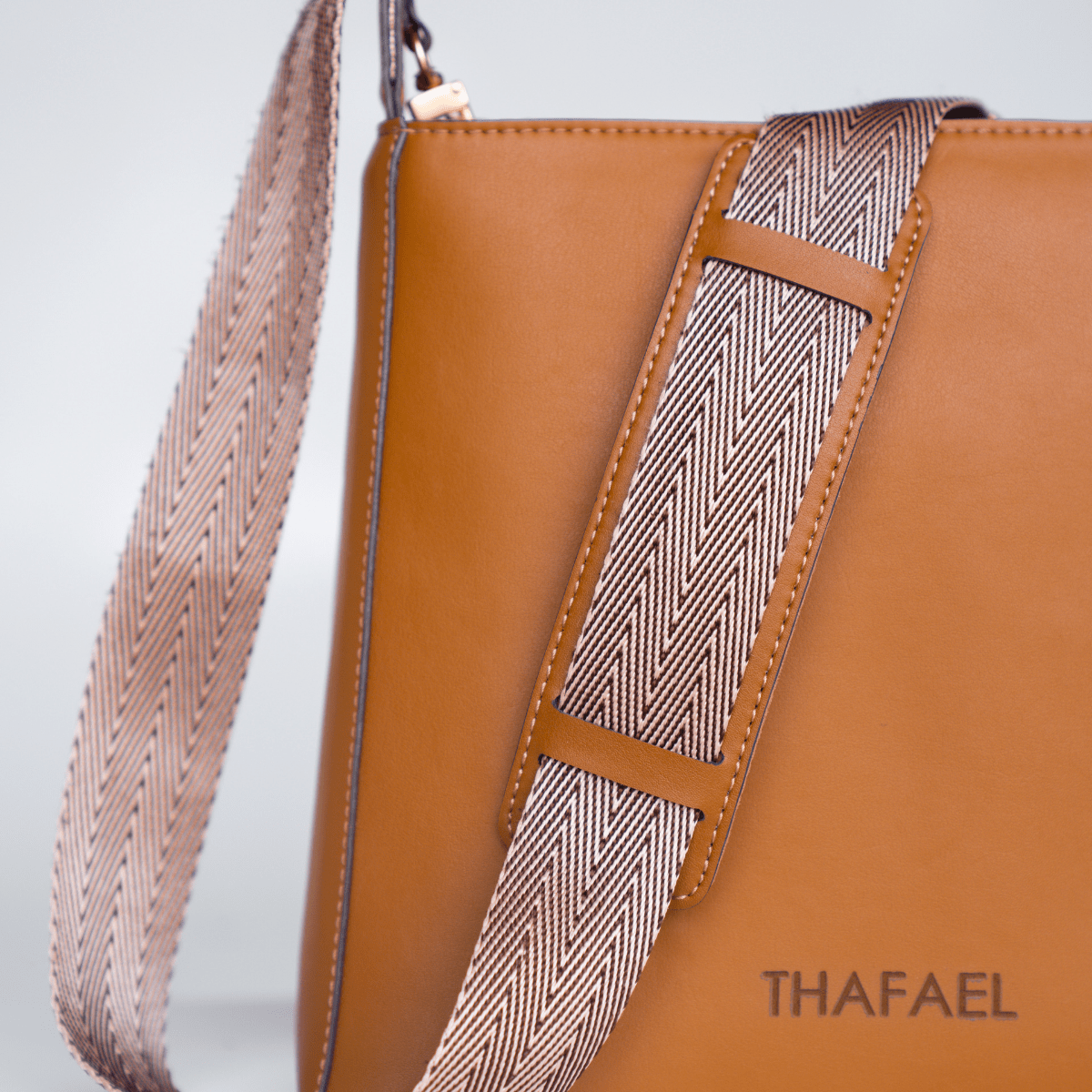
This one in the picture is the one I always use. It has all the security features and is stylish as a bonus.


Strap can be locked to chair
If you want to see exactly how this bag performs in real European cities, read: The best bag for sightseeing in Europe.
For destination-specific safety advice including which areas to watch in each city, see: How to travel solo as a woman in 2026.

4) How do you stay safe on public transport in Europe?
Public transport is safe, but it’s where most petty theft happens, especially during transitions.
Metro and bus habits
-
Wear your bag in front in crowded cars and platforms and lock your zippers
-
Avoid standing near doors with your phone out
-
If someone crowds you or bumps you repeatedly, step away and re-check your bag
-
Keep one hand lightly on your zipper area in dense crowds
Trains and stations
-
Boarding is chaotic, keep valuables secured and don’t place phones/wallets on top of luggage
-
If you stow luggage overhead, keep your crossbody on you
-
In cafés inside stations, never place your bag on a chair or hook, if it is not secured and locked to a chair, and never leave it unattended
For outfit advice that helps you blend in and avoid standing out as a tourist, see: The best European summer outfits for 2026.
5) What are the most common scams in Europe and how do you avoid them?
Most scams rely on distraction and social pressure. Your default is simple: pause, step back, keep your belongings close.
The most common patterns
-
Petition / clipboard distraction near tourist areas
-
Bracelet / “free gift” approach that turns into pressure to pay
-
Spill or bump distraction in tight places
-
Unofficial taxi approach at airports/stations
What to do instead
-
Say “no” once and keep walking
-
Don’t stop in the middle of foot traffic
-
Use official taxi stands or rideshare apps when available
-
If someone insists, move toward a shop entrance or a more open area
For a deeper breakdown of real-world tactics, read: How to Avoid Pickpockets While Traveling: 9 Smart Safety Tips for Women.
6) What should you do if something goes wrong while traveling in Europe?
This is the part most people skip—until they need it.
Before you leave
-
Save emergency numbers: 112 works across the EU for emergency services
-
Screenshot your hotel address + booking details
-
Keep digital + physical copies of your passport and travel insurance
-
Store one backup payment method separately
If your phone is stolen
-
Log into Find My iPhone / Find My Device
-
Lock the device, change key passwords, contact your bank
-
Get a replacement SIM/eSIM if needed
If your wallet is stolen
-
Freeze cards immediately
-
File a police report if required for insurance
-
Use your backup card/cash to stay calm and keep moving
7) Quick safety checklist before you go
-
Bag zipped and locked + worn crossbody in crowds
-
One backup card stored separately
-
Hotel address saved offline
-
Emergency number: 112
-
Don’t hang your bag on chairs/hooks, but lock it to the chair and never leave it unattended
For a complete Europe packing list that covers safety essentials alongside clothing and accessories, see: The ultimate Europe packing guide for women.
Conclusion
Europe is one of the most rewarding destinations in the world for first-time travelers and the safety situation is genuinely manageable when you know what to prepare for. The habits in this guide become second nature quickly. Most women who travel through Europe for the first time come back wanting to go again immediately.
The one investment worth making before any European trip is a bag that does the security work quietly in the background so you can focus on actually being there.
For everything else you need before your first European trip:
See our complete guide: How to travel solo as a woman in 2026. How to avoid pickpockets while traveling. The ultimate Europe packing guide for women. How to choose the best crossbody travel bag for women.
Have an amazing first trip to Europe.
Arielle
FAQ
Is Europe safe for first-time travelers?
Yes, Europe is genuinely safe for first-time travelers and far less risky than many people expect before their first trip. The vast majority of safety issues tourists encounter are petty theft and opportunistic scams rather than violent crime. Western European cities including Paris, Barcelona, Rome, Lisbon, and Amsterdam all have well-established tourist infrastructure, visible police presence in busy areas, and generally low rates of serious crime against visitors. The travelers who have the worst experiences are usually those who were unprepared for specific situations like crowded metro stations or distraction scams near landmarks, not those who encountered genuinely dangerous conditions.
What is the biggest safety risk in European cities?
The biggest safety risk for tourists in European cities is opportunistic petty theft, particularly pickpocketing in crowded metro stations, busy tourist sites, and popular café areas. The most common method is distraction: someone bumps into you, hands you something, or creates a commotion while an accomplice accesses your bag or pocket. The cities with the highest rates of tourist pickpocketing are Barcelona, Paris, Rome, Florence, and Lisbon. In all of these cities the risk is concentrated in specific locations and specific moments, mainly during metro boarding and exiting, at major landmarks, and in crowded markets. Outside of those specific situations the cities are very safe.
Should I carry my passport every day in Europe?
It depends on the country and situation. Within the Schengen Area, which covers most of Western Europe, you are technically required to carry identification but a photo of your passport on your phone is accepted in most practical situations. Many experienced travelers leave their passport in their hotel safe and carry a clear photo copy instead for daily sightseeing. The situations where you genuinely need the physical passport are international train journeys, checking into new accommodation, and crossing borders between Schengen and non-Schengen countries. If you do carry your passport, keep it in an RFID-blocking pocket inside a secure crossbody bag rather than in a back pocket or open tote.
Do I need anti-theft gear for Europe?
You do not strictly need it but it makes a significant practical difference, particularly in the highest-risk cities. A secure crossbody bag with lockable zippers eliminates the most common theft method which is unzipping an open bag in a crowd. Slash-resistant lining and straps prevent the less common but more serious bag-snatching and strap-cutting methods. RFID-blocking pockets protect your cards and passport from digital skimming which is a growing issue in busy tourist areas. Beyond the physical protection, having genuinely secure gear reduces the mental load of travel: you stop monitoring your bag constantly and start actually enjoying where you are. That psychological benefit is underrated and is something most women who switch to anti-theft bags mention immediately.
What should I do if my bag is stolen in Europe?
Stay calm and move to a safe, visible location first. Then freeze your bank cards immediately using your bank's app or by calling the emergency number on the back of your card. File a police report at the nearest police station or tourist police office, as this is required for most travel insurance claims. If your passport was stolen, contact your country's embassy or consulate immediately as they can issue emergency travel documents. The EU emergency number 112 works in all EU countries for emergency services. This is why keeping a backup card and a photo of your passport stored separately from your main bag is so important, it means a theft is a serious inconvenience rather than a trip-ending crisis.
How do I stay safe on the metro in European cities?
Wear your bag in front of your body rather than on your hip or back in crowded metro cars and on busy platforms. Keep zippers closed and locked before you board. Avoid having your phone out while standing near the doors where grab-and-run theft is most common. If someone crowds you, bumps you repeatedly, or creates a distraction near you, step away and check your belongings immediately. The most dangerous moments on the metro are boarding and exiting when crowds are densest and movement is chaotic. Being aware of those specific transition moments and keeping one hand near your bag during them is the single most effective metro safety habit.
What are the most common tourist scams in Europe?
The most common scams across European cities follow predictable patterns. The petition or clipboard scam involves someone approaching with a clipboard asking you to sign a petition, while an accomplice steals from your bag during the distraction. The friendship bracelet scam involves someone placing a bracelet on your wrist and then demanding payment for it. The spill scam involves someone spilling something on you and then helping clean it up while stealing from your pockets. The fake taxi scam involves unofficial drivers at airports and stations who overcharge significantly. The common thread in all of them is distraction and social pressure. The defense is simple: say no once, keep walking, and never stop in the middle of a busy footpath to engage with an approach you did not initiate.
About The Author
Arielle is the founder of Thafael, an anti-theft crossbody bag brand designed for women who refuse to choose between style and security while traveling. After years of frustration with bags that were either beautiful or safe but never both, she built Thafael to solve that exact problem. Her travel safety guides are rooted in that expertise: practical, honest, and written for women who want to explore Europe confidently.

Leave a comment
This site is protected by hCaptcha and the hCaptcha Privacy Policy and Terms of Service apply.