
2 Common Travel Safety Mistakes Women Make (And How to Avoid Them)
Traveling ,whether solo or with others , is one of the most empowering ways to experience the world. Exploring cities like Paris, Rome, or Barcelona can feel exhilarating, freeing, and deeply personal.
But confidence while traveling doesn’t come from ignoring risk.
It comes from understanding it — and avoiding the habits that make theft more likely.
Most travel theft doesn’t happen because someone was careless or inexperienced. It happens because of two very common behaviors that quietly signal opportunity to thieves.
This guide breaks down two travel safety mistakes women often make, why they attract pickpockets, and how to avoid them — without fear, paranoia, or overthinking.
If you’re looking for a complete framework for traveling alone with confidence — including awareness, preparation, and mindset — start here:
Solo Female Travel Safety: How to Travel Alone with Confidence
Key Takeaways
-
Most travel theft is opportunistic, not random
-
Leaving your bag unattended is one of the most common causes of theft
-
Flashing valuables signals distraction and increases risk
-
Crossbody bags worn close to the body reduce access and visibility for thieves
-
Travel safety is about habits and awareness, not fear
-
Small behavioral changes prevent most incidents
Table of Contents
-
Why Small Travel Habits Matter More Than You Think
-
Mistake #1: Leaving Your Bag Unattended
-
Mistake #2: Flashing Valuables in Public
-
Why Bag Choice Impacts Travel Safety
-
Extra Safety Habits That Reinforce Confidence
-
Conclusion: Travel Smart, Not Fearful
-
FAQs: Travel Safety for Women
Mistake #1: Leaving Your Bag Unattended (Even for a Moment)
How it happens
It usually looks harmless.
You’re sitting at a café. Your bag is on the chair next to you. Or hanging off the back of your seat. Or resting on the floor while you check your phone.
That “just for a second” moment is exactly what thieves wait for.
Bag snatching happens most often in:
-
cafés and restaurants
-
train stations
-
airport seating areas
-
public benches
-
hotel lobbies
And it happens fast, quietly, and without confrontation.
Why this attracts thieves
Unattached bags require no skill to steal.
There’s no zipper to defeat, no resistance, no attention drawn.
From a thief’s perspective, it’s the lowest-effort opportunity.
How to avoid it
-
Keep your bag physically attached to you at all times
-
Loop the strap around your chair leg or your own leg when seated

-
Place the bag on your lap, not beside you
-
Never hang it on the back of a chair
A crossbody bag worn across the body makes this habit automatic — it stays close, visible, and harder to grab.

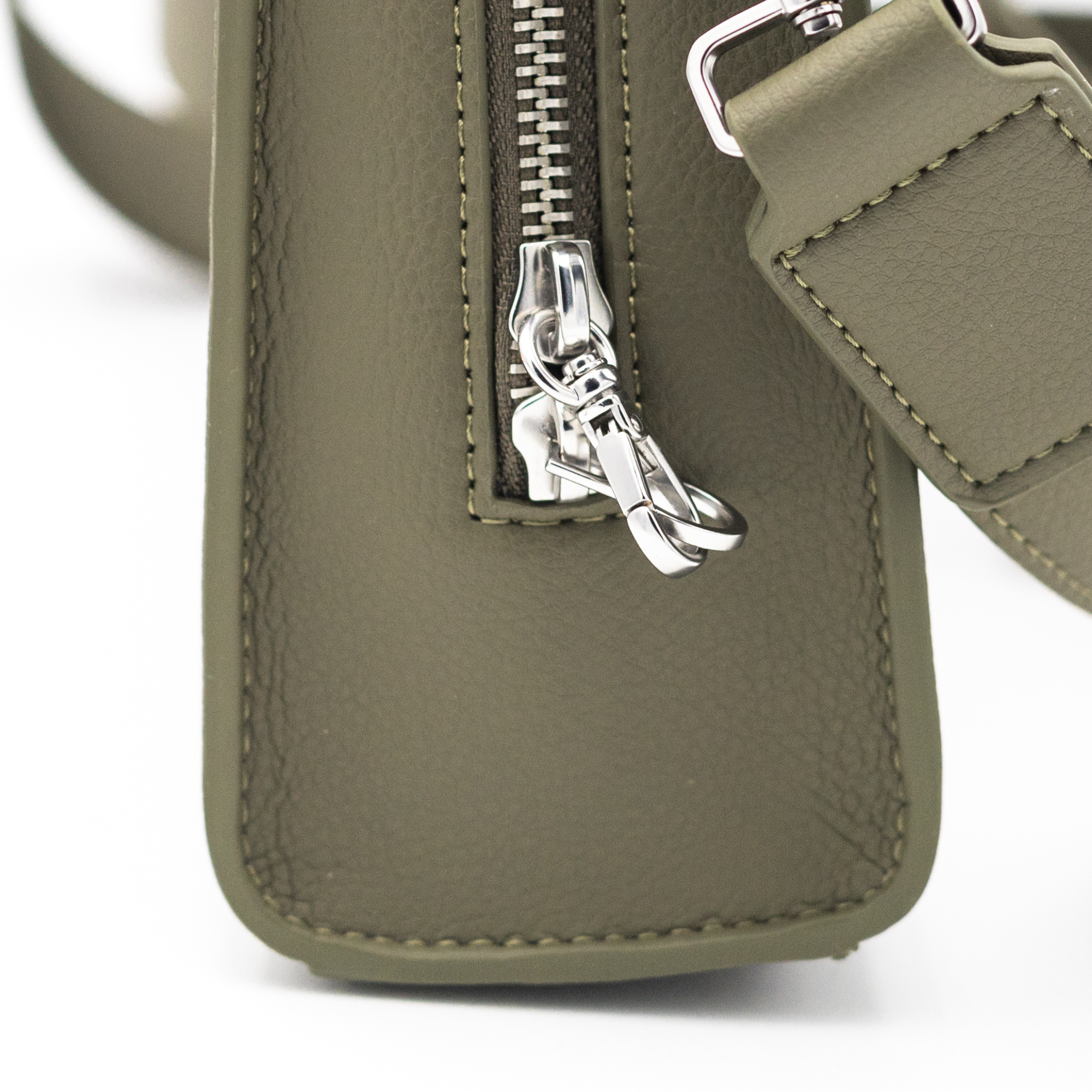
This bag has detachable and lockable straps that can be secure to a chair
Mistake #2: Flashing Valuables in Public
How it happens
Paying with cash. Counting money. Pulling out your phone repeatedly. Adjusting jewelry. Opening your wallet wide in busy areas.
None of these feel risky but they are information signals.
Pickpockets don’t steal randomly. They observe first.
Why this attracts thieves
Visible valuables communicate:
-
where your wallet is
-
how much you’re carrying
-
how aware (or distracted) you are
Once noticed, you may be followed until a moment of distraction appears.
How to avoid it
-
Take out only what you need, when you need it
-
Avoid counting cash in public
-
Keep phones and wallets put away while walking
-
Wear minimal, low-key accessories
-
Use interior or hidden compartments for valuables
Discretion is one of the simplest — and most effective — safety habits.
If you want a deeper breakdown of how theft actually happens in real life, this guide explains the most common tactics and how to avoid them: How to Avoid Pickpockets While Traveling.
Why Bag Choice Matters More Than You Think
Most travel theft is opportunistic, not aggressive.
That’s why the bag you carry plays such a large role in how safe you feel — and how easy you are to target.
A secure travel bag should:
-
stay close to your body
-
fully close with zippers
-
discourage quick access
-
reduce distraction
Many women prefer a structured crossbody with anti-theft features because it combines security with ease of movement — especially in walking-heavy cities.
A secure travel bag reduces risk by limiting access, visibility, and distraction — especially in crowded cities where pickpocketing happens quickly.

If you want to understand which features actually matter, this guide breaks it down clearly: How to Choose The Best Crossbody Bag for Travel
Extra Safety Habits That Reinforce Confidence
Avoiding the two mistakes above already reduces most risk. These habits reinforce that foundation:
-
Keep backup cards and cash separate
-
Store passports securely when not required
-
Stay present in crowded areas
-
Trust discomfort — it’s information, not fear
-
Move with intention, not hesitation
Travel safety isn’t about restriction.
It’s about removing unnecessary stress so you can enjoy where you are.
Conclusion
Most women don’t attract theft because they’re inexperienced.
They attract it because of small, common habits they don’t realize matter.
By:
-
keeping your bag attached
-
handling valuables discreetly
-
choosing gear that supports awareness
you dramatically reduce risk and travel with more ease and confidence.
Prepared travel feels calmer.
Calm travel feels empowering.
Stay safe and happy travels!
Arielle
FAQs: Travel Safety Mistakes Women Make
What are the most common travel safety mistakes women make?
The most common mistakes are leaving bags unzipped or unattended in public spaces and flashing valuables like cash, phones, or designer items. These behaviors make travelers easy targets in crowded cities.
Why are unattended bags so risky while traveling?
Bag theft happens quickly and often without confrontation. Cafés, restaurants, airports, and train stations are prime locations where thieves watch for distracted travelers.
Are women more likely to be targeted by pickpockets?
Yes. Pickpockets often target women because handbags, open totes, and backpacks are easier to access than secured crossbody bags—especially in busy tourist areas.
What’s the safest type of bag for city travel?
A crossbody bag worn in front of the body is generally the safest option. Anti-theft features like lockable zippers, slash-resistant straps, and RFID pockets further reduce risk.
Is it unsafe to carry cash or valuables while traveling?
Carrying valuables isn’t unsafe, but displaying them is. Keep cash, phones, and passports discreet, and avoid handling them openly in crowded places.
Do anti-theft bags really help prevent theft?
They don’t eliminate risk, but they significantly reduce it. Anti-theft bags slow thieves down, remove easy access points, and help travelers stay organized and aware.
What’s the best way to avoid theft without becoming paranoid?
Use simple habits: keep bags zipped, stay aware in crowded areas, and choose gear that supports security. Confidence comes from preparation, not fear.



Leave a comment
This site is protected by hCaptcha and the hCaptcha Privacy Policy and Terms of Service apply.