

How to Avoid Pickpockets While Traveling: 9 Smart Safety Tips for Women
Pickpocketing is one of the most common travel crimes — and it happens fast.
A distracted moment in a crowded metro, café, or tourist plaza can lead to a stolen phone, wallet, or passport.
I’ve seen it happen to people I know. A zipped bag. A short conversation. No warning. Suddenly, valuables were gone — followed by stress, confusion, and disruption to the trip.
These stories aren’t meant to scare you. They’re meant to prepare you.
This guide explains how to avoid pickpockets while traveling using practical, real-world habits — especially helpful for women navigating busy cities alone or independently.
If you want a complete framework for traveling alone as a woman — including awareness, confidence, and smart preparation — start here: Solo Female Travel Safety: How to Travel Alone with Confidence in 2026.

Key Takeaways
• Pickpocketing is most common in crowded tourist zones and public transport
• Crossbody bags worn in front reduce access and visibility for thieves
• Anti-theft features matter more than brand, size, or price
• Distraction scams are the most common theft tactic
• Awareness and preparation prevent most incidents
Table of Contents
Why Is Pickpocketing Still a Risk Nowadays ?
Despite advancements in travel safety gear, pickpocketing is still a major issue in cities like Paris, Barcelona, Rome, Florence, and Lisbon. Thieves target tourists who are distracted, carrying open bags, or unaware of their surroundings.
In fact, pickpocketing has increased in some cities since tourism rebounded post-pandemic. Travelers eager to explore often underestimate how sophisticated and quick professional thieves can be.
Pickpocketing hotspots include:
-
Metro stations and crowded public transport
-
Tourist attractions and photo-op areas
-
Street performers and markets
-
Outdoor cafes and restaurant patios
-
Escalators, stairs, and airport security lines
Top 5 Cities with the Most Pickpocketing Cases:
-
Barcelona, Spain – Known for its busy Las Ramblas street and metro lines, Barcelona consistently tops lists for pickpocketing incidents.
-
Rome, Italy – Tourists flock to the Colosseum, Vatican, and Trevi Fountain, making Rome a hotspot for theft.
-
Paris, France – The Paris Metro and landmarks like the Eiffel Tower and Louvre attract millions—and pickpockets.
-
Madrid, Spain – Like Barcelona, Madrid sees high numbers of incidents in Puerta del Sol, markets, and transit stations.
-
Prague, Czech Republic – The Old Town and Charles Bridge are beautiful—and notoriously full of distractions pickpockets use to their advantage.
Travelers often say, “I didn’t even feel it happen.” The good news? You can protect yourself without becoming paranoid. Awareness and preparation go a long way.
1. Wear a Crossbody Bag in Front of You and Always Zip It

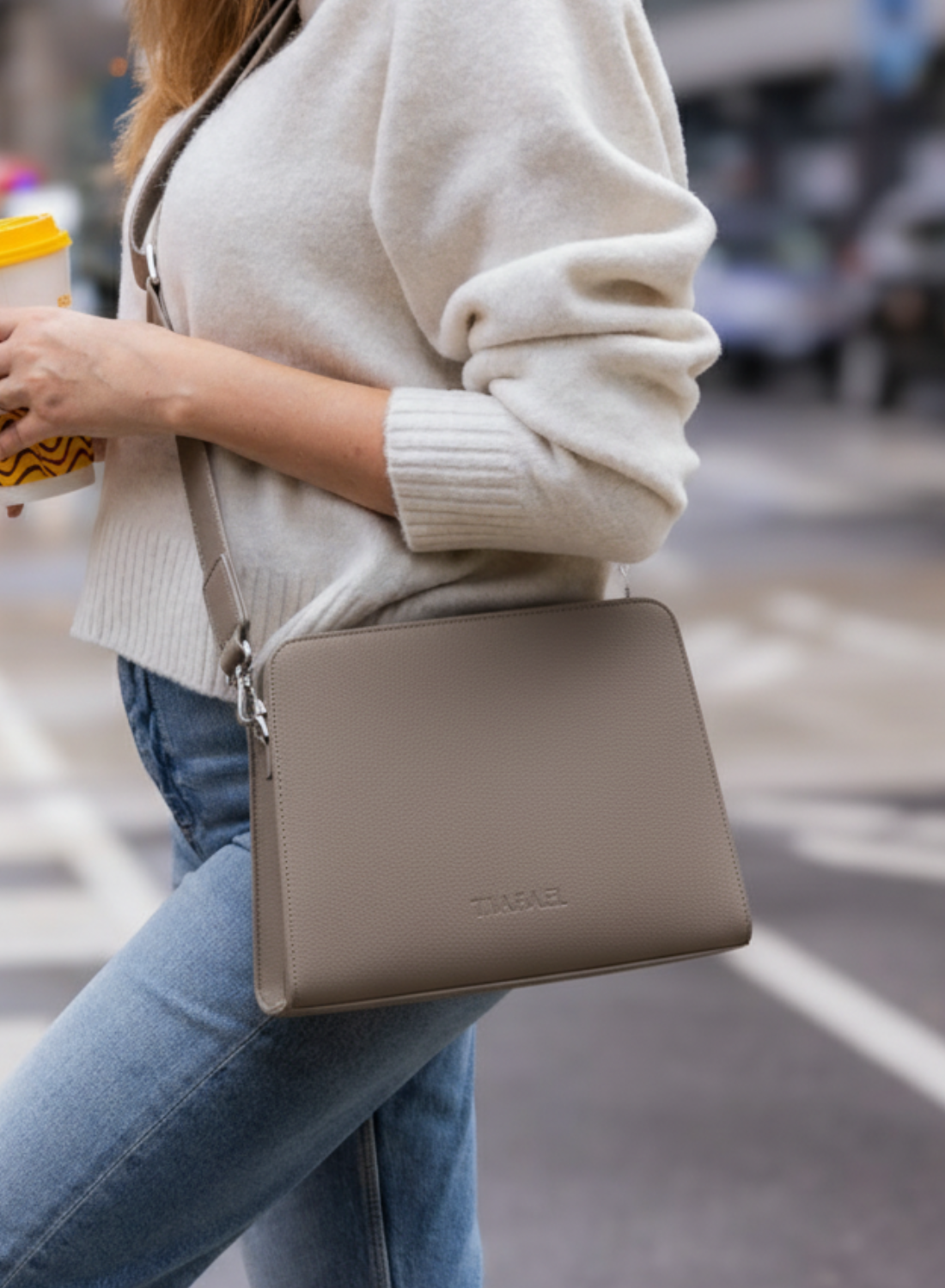
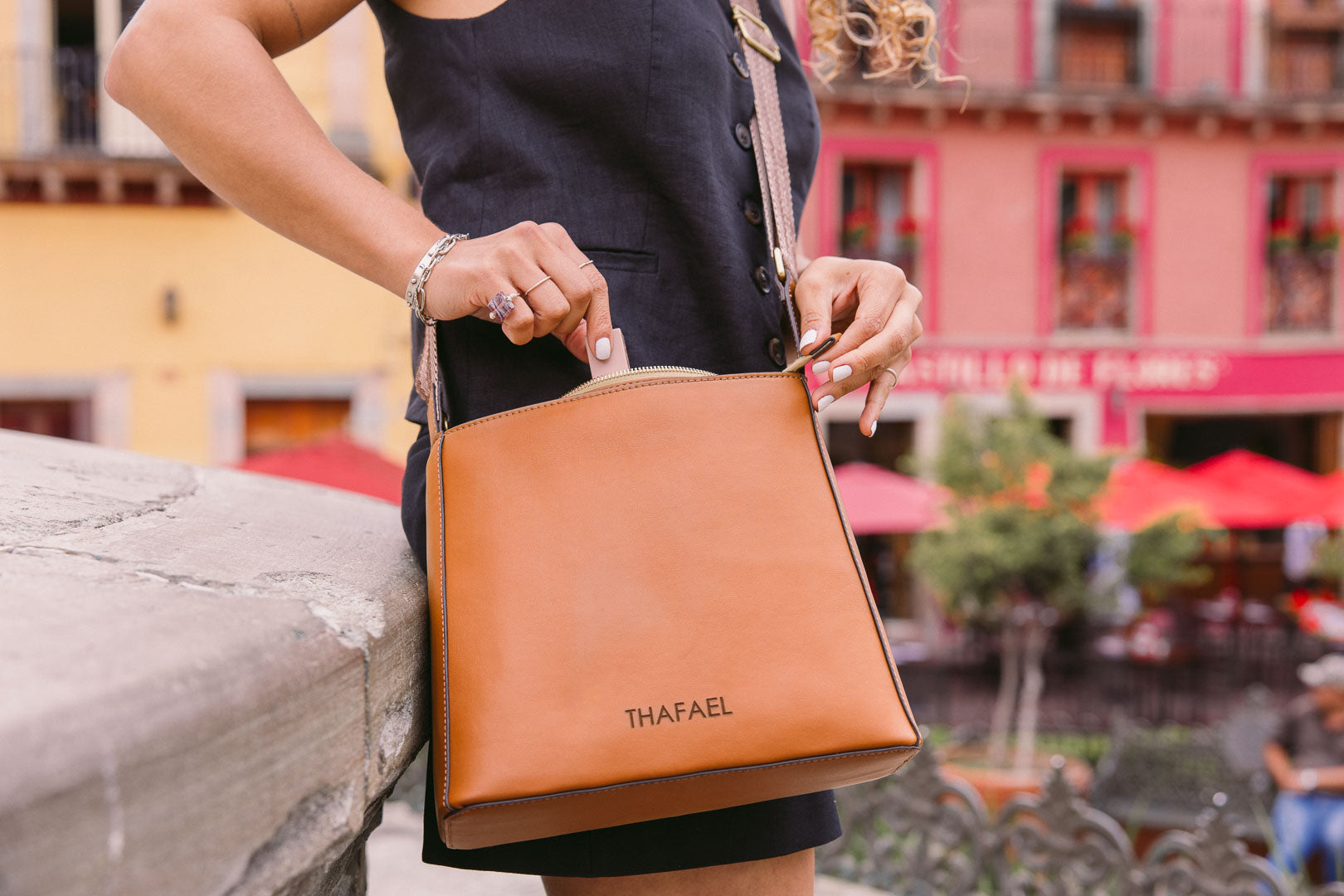
A crossbody bag that rests across your chest—ideally in front—is one of the best ways to protect your belongings. The position of the bag alone makes it harder for thieves to access, but that’s just the beginning.
Always zip your bag and lock if possible. A well-designed anti-theft crossbody makes this much easier. I personally use one with lockable zippers, RFID protection, and a slash-resistant strap - because it stays close to my body and blends in easily in city settings.

2. Avoid Wearing a Backpack in Crowded Areas
Backpacks are a favorite among travelers for their convenience and storage capacity—but when it comes to security, they have major weaknesses.
The biggest issue? You can’t see what’s happening behind you.
Even seasoned travelers have had backpacks unzipped in metro stations, busy markets, and even at airport baggage claims. If your backpack doesn’t have lockable or hidden zippers, it’s easy for someone to slip a hand in without you noticing.
That doesn’t mean you can’t wear one. But when you're in crowded spaces:
-
Wear it on your front or side
-
Avoid storing valuables in the outer compartments
-
Use backpacks only when you really need to carry bulkier items
Backpacks with built-in anti-theft technology do exist, but they often lack style and can look overly tactical. For urban travel or light packing days, a crossbody is almost always the safer choice.
3. Choose Bags with Proven Anti-Theft Features
Many bags advertise themselves as "anti-theft," but not all of them deliver.
Here are the features that make a real difference:
-
Lockable zippers: Prevent thieves from easily opening your bag while you’re distracted.
-
Slash-resistant materials: Reinforced straps and body panels help stop thieves from slicing your bag off your body.
-
RFID-blocking pockets: These shield your sensitive information from digital pickpocketing devices.
-
Hidden compartments: Useful for tucking away cash, jewelry, or your hotel key.
-
Lockable straps : Let you secure your bag to a chair or table leg while sitting at a restaurant.

If you can find a bag that combines all five, you’re covered for most real-world theft attempts.
🔗 Related: 5 Must-Have Features in a Crossbody Travel Purse for Women
4. Spread Out Your Valuables in Separate Compartments
This is one of the most common mistakes travelers make.
Spreading your belongings across different compartments reduces the risk of losing everything if one section is accessed. It also helps you stay more organized.
Here’s a smart way to divide your items:
-
Main compartment: Wallet, cash, sunglasses
-
RFID slot: Cards, ID, passport
-
Back zip: Hand sanitizer, lip balm
If you’re using a crossbody with well-planned compartments, this system will feel natural.
5. Never Hang Your Bag on a Chair or a Hook at a Café
Absolutely not—unless your bag has an anti-theft clip or you’re physically holding it.
Restaurants and outdoor patios are high-risk areas for bag snatching. Thieves often work in pairs, with one distracting you while the other grabs your bag.
To stay safe:
-
Always loop your strap around a table leg, armrest, or your own leg.
-
Use bags with a built-in anchor feature
-
Keep your bag zipped and positioned between you and the table.
Even in upscale neighborhoods, these quick grabs happen in seconds.

Some anti-theft crossbody bags include a locking strap that allows you to secure the bag to a chair or table leg while seated.
6. Be Alert in High-Risk Pickpocket Zones
Pickpockets thrive in crowded, high-energy environments where tourists are distracted. Some of the most common zones include:
-
Metro stations and trains: Boarding and exiting are prime moments for theft.
-
Markets and shopping streets: You're focused on browsing, not watching your bag.
-
Escalators and staircases: Harder to notice bumps or quick grabs.
-
Public plazas with performers: Groups gather, creating easy cover for thieves.
-
Airports: Especially near security lines and baggage claim.
Always keep your bag in front, closed, and ideally, with a hand resting on it when in any of these spaces.
7. Learn to Spot Common Pickpocket Scams
Pickpockets rarely act alone. They often use distraction techniques or social tricks. Here are a few common scams:
-
Bracelet scam: Someone approaches you and starts tying a bracelet on your wrist. While you’re distracted, someone else takes your wallet or phone.
-
Petition scam: A person asks you to sign a form. While you're focused on that, their partner grabs your bag or reaches into your pocket.
-
The spill scam: Someone “accidentally” spills a drink or bumps into you to distract you while they or an accomplice steal from your bag.
Don’t let paranoia ruin your trip—but a little suspicion and distance go a long way.
8. Avoid Flashy Items
Pickpockets look for visual cues that signal someone may be carrying expensive items.
Avoid:
-
Flashy jewelry
-
Large designer logos
-
Dangling your phone in-hand while walking
-
Wearing your camera around your neck all day
Instead:
-
Use a secure crossbody bag
-
Keep valuables hidden
-
Store expensive items in your hotel safe whenever possible
9. Trust Your Instincts—and Your Gear
Situational awareness is your best defense. If you feel something’s off—listen to that feeling. Step back, secure your belongings, and reset.
But the best way to feel truly confident is by traveling with the right gear. Choosing a thoughtfully designed anti-theft bag allows you to:
-
Walk more freely
-
Spend less time worrying
-
Focus on the experience, not the risk
Conclusion
Pickpocketing doesn’t happen because you’re careless — it happens because busy cities create easy opportunities for distraction.
The good news is that most theft is preventable.
When you understand where pickpockets operate, how they create distractions, and how to protect your belongings with simple habits, you dramatically reduce your risk. You don’t need to be on edge or constantly watching your back. You just need systems that work quietly in your favor.
Wearing a secure crossbody bag, keeping valuables organized, and staying aware in high-traffic areas allows you to move through cities with ease — not anxiety. The goal isn’t to travel defensively, but confidently.
With the right preparation and the right gear, you can focus on what actually matters: exploring, experiencing, and enjoying your trip — without stress or second-guessing.
Travel smart. Stay aware. And trust yourself.
Have a safe trip
Arielle
FAQs: Pickpocketing & Travel Safety
Where are pickpockets most active in Europe?
In metros, public transport, crowded tourist attractions, and outdoor cafés.
Are backpacks safe for travel?
Not always. Backpacks worn on your back are easier to target unless they have anti-theft features and are worn in front.
What’s the safest bag for travel?
An anti-theft crossbody bag with slash-proof lining, lockable zippers, and RFID-blocking pockets.
Should I wear a money belt?
Money belts are secure but can be uncomfortable and obvious. A well-designed anti-theft crossbody can be just as safe and more practical.
Is pickpocketing common for solo women travelers?
Yes, especially in Europe. But with the right bag, awareness, and preparation, you can feel just as secure as traveling with a group.

Leave a comment
This site is protected by hCaptcha and the hCaptcha Privacy Policy and Terms of Service apply.